Wogmin Thupten Shedrup Ling
The monastery and school
At sacred Tso Pema, children receive Buddhist teachings alongside a modern education, care, and community.
Origins and community
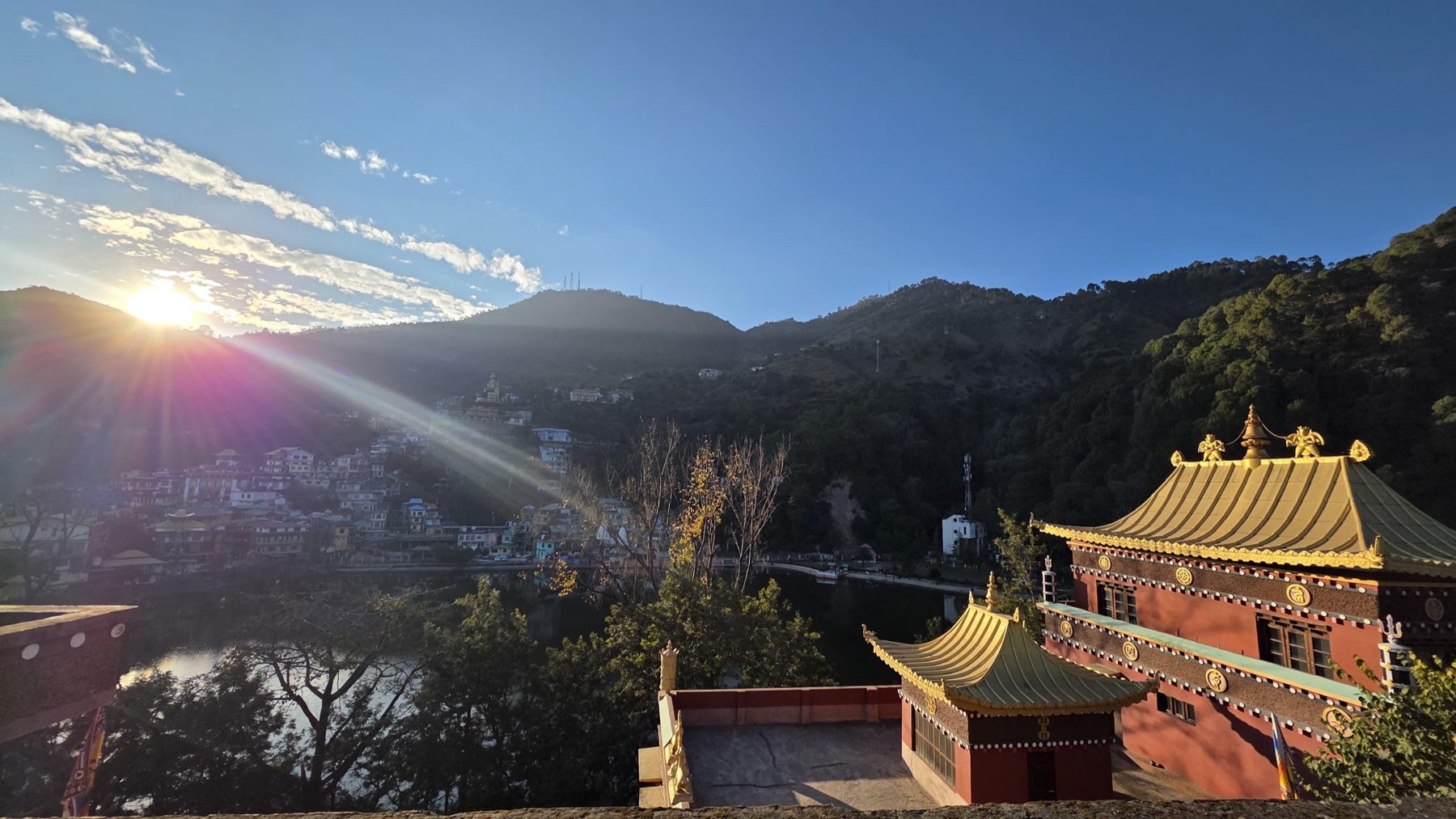
Wogmin Thupten Shedrup Ling was established in Rewalsar, Himachal Pradesh, by the 3rd H.E. Lho Ontul Rinpoche after he acquired land there in 1971. The monastery is a centre of Drikung Kagyu study, contemplation, and practice.
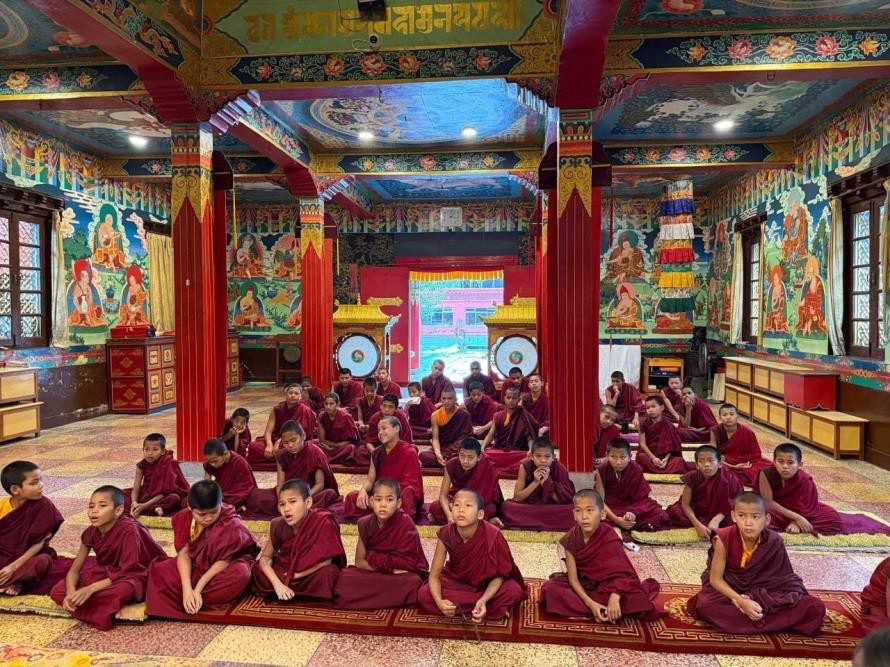
Drikung Kagyu Monastic School was established on 1 July 2024 under the monastery’s auspices. Affiliated with the National Institute of Open Schooling, it combines Buddhist study and practice with a modern academic education.
The school welcomes children from economically disadvantaged families, Tibetan refugee communities, remote Himalayan regions, and border areas including Ladakh, Zanskar, Kinnaur, Lahaul-Spiti, Pangi Valley, Arunachal Pradesh, Sikkim, and Nepal.
Education and daily care
Learning
Buddhist teachings, meditation, rituals, and sacred arts alongside English, Hindi, mathematics, science, social science, and basic computer skills.
Accommodation and care
Free accommodation, food, monastic robes, daily necessities, guidance, friendship, and a sense of belonging.
Tibetan language and culture
Tibetan language, philosophy, culture, arts, and traditions passed carefully to a new generation.
School leadership
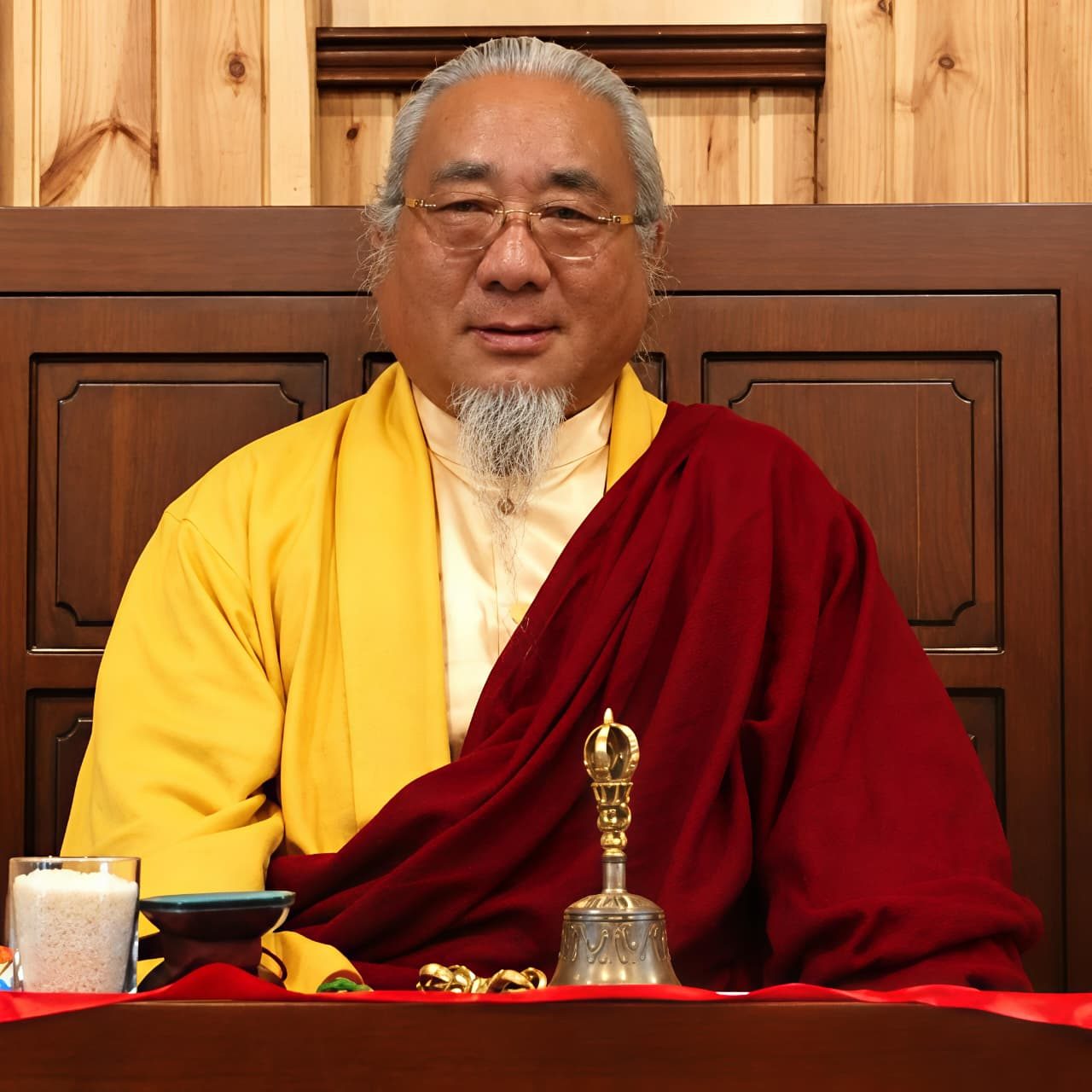
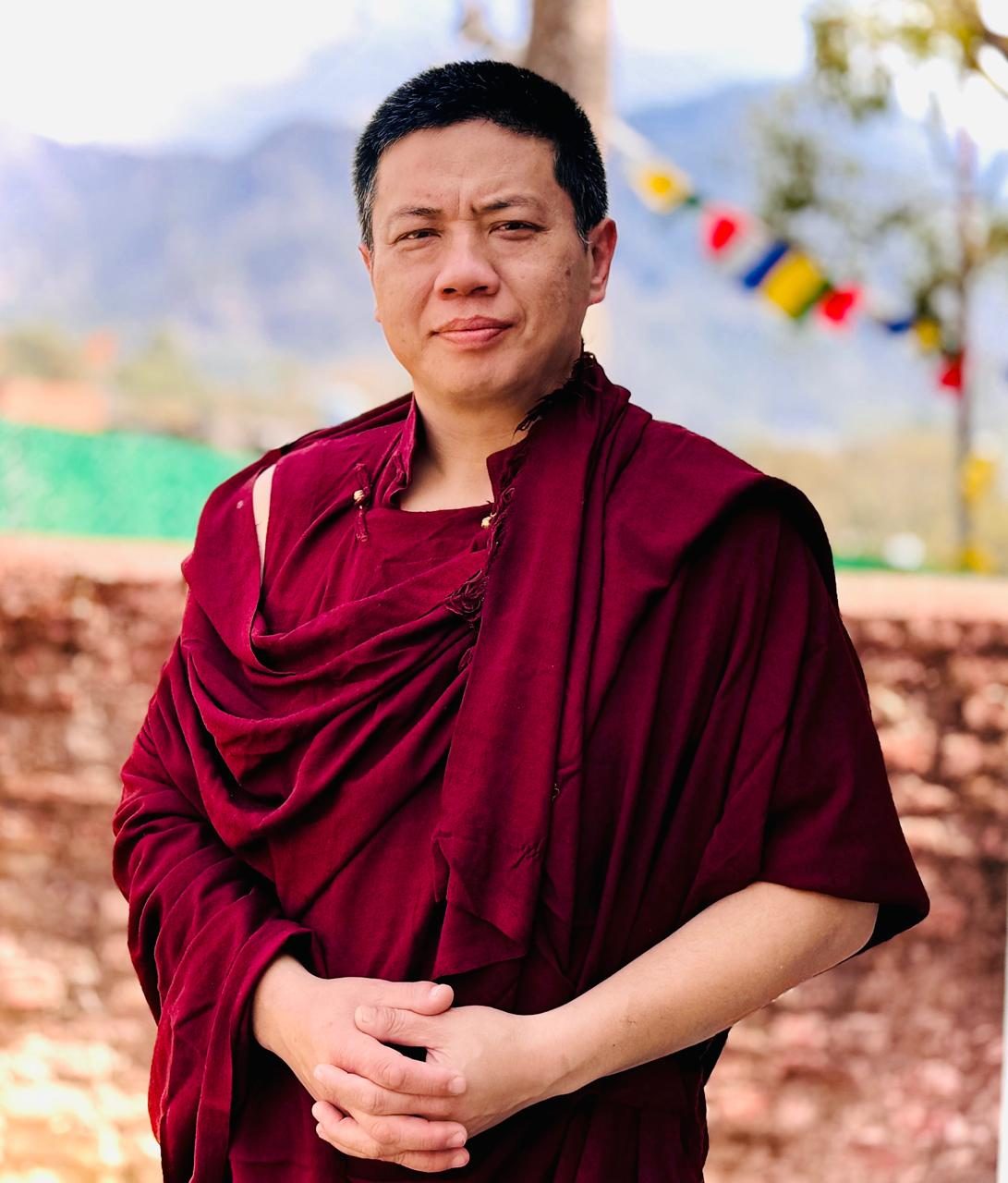
The school is spiritually guided by H.E. Lho Karma Ratna Rinpoche. Day-to-day education is led by Principal Phuntsok Tsering, a retired teacher from the Central School for Tibetans.
Pathways after Class VIII
After Class VIII, students may continue to advanced Buddhist institutes, enter long-term retreat, support monastery rituals and community life, or pursue further education elsewhere.
Read Ratna Rinpoche’s biography →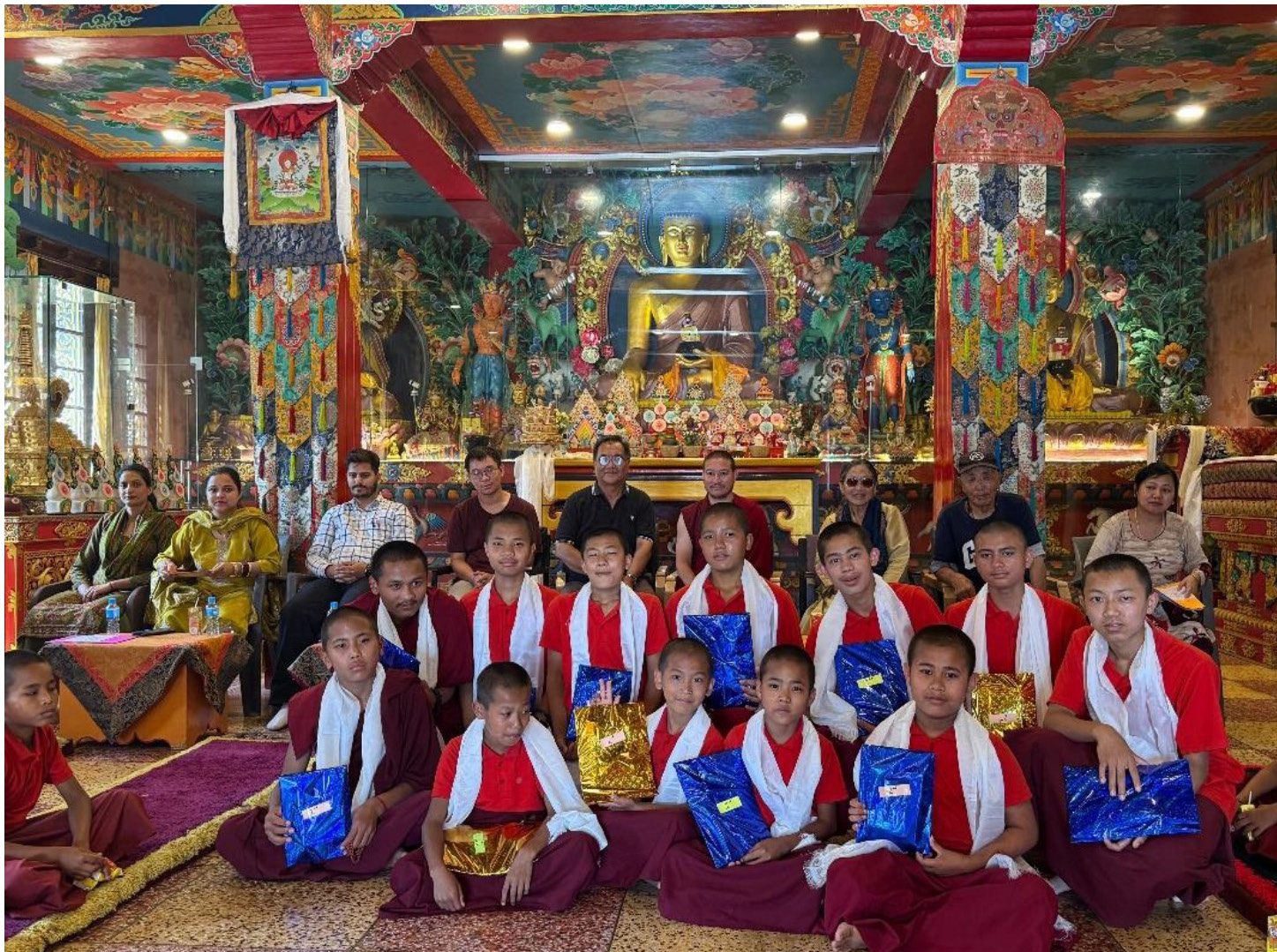
School facilities
The building project will provide a new first-floor dormitory and renovate the ground floor as dedicated classrooms, supporting the school’s education and community life.
See how you can help →